

Navigating the world with ADHD or Autism Spectrum Disorder (ASD) can sometimes feel like your child is trying to solve a puzzle where the pieces don’t quite match the traditional mold. At Milestones Child Psychology, we believe those unique pieces are exactly what make your child incredible. While individual therapy offers a wonderful space for deep, personal work, there is a special kind of magic that happens when children come together.
Group therapy provides a supportive, neurodiversity-affirming environment where kids can learn, grow, and: most importantly: realize they aren’t alone. Here are five key benefits of group therapy specifically tailored for children with ADHD and ASD.
1. Real-Time Social Practice in a Natural Setting
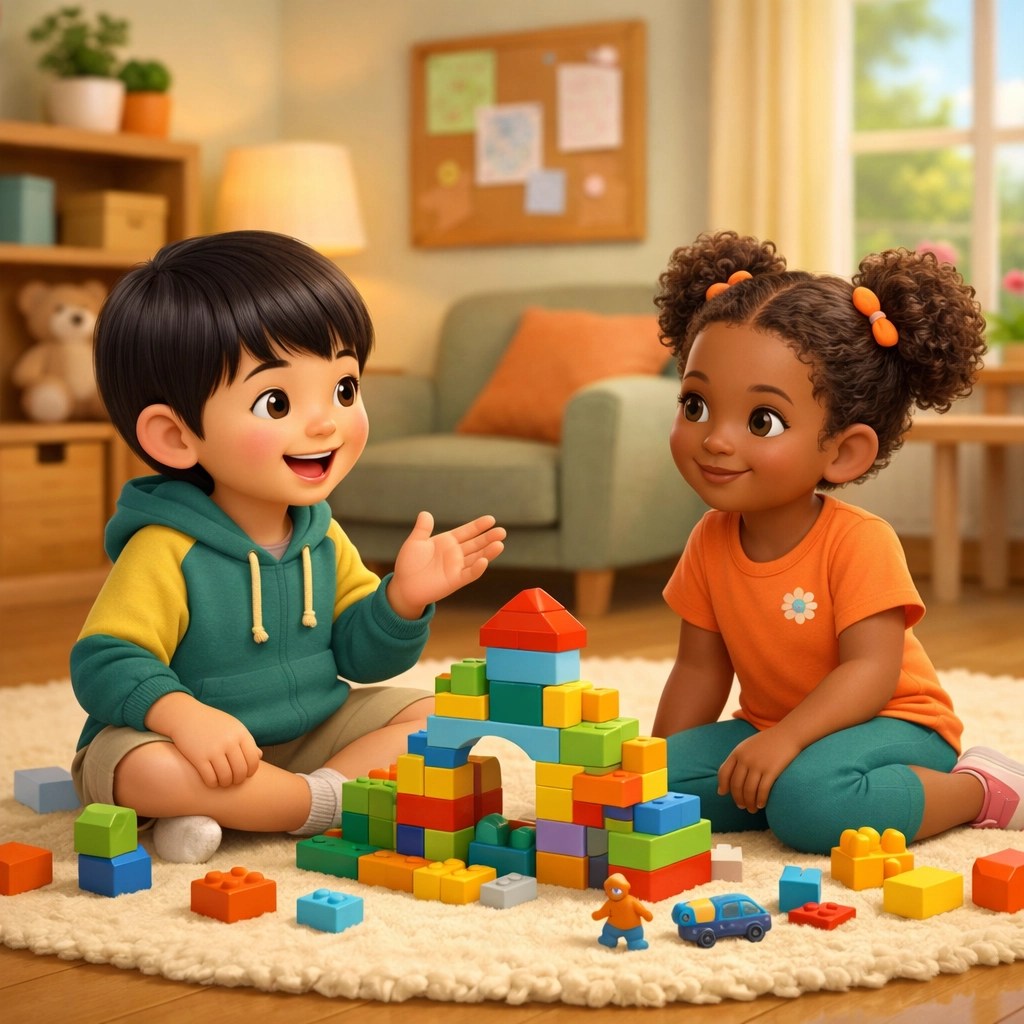
One of the biggest hurdles for kids with ADHD or ASD is translating social "rules" into real-world actions. In an individual session, a child might discuss how to take turns, but in a group setting, they actually get to do it.
Group therapy acts as a "social laboratory." Whether it's navigating a disagreement over a game or learning how to enter a conversation, children receive immediate, compassionate feedback from their peers and a trained therapist. This helps them refine their social nuances: like body language and tone of voice: in a space that is much more forgiving than a typical school playground.
2. Finding "Their People" and Boosting Confidence
Many children with neurodivergent brains struggle with feelings of isolation. They might feel like they are the only ones who get "hyper-focused" or the only ones who find loud noises overwhelming.
When your child enters a group at Milestones, they meet peers who truly "get it." This sense of belonging is a powerful antidote to social anxiety. Research from major institutions like Massachusetts General Hospital suggests that peer-based interventions significantly improve self-esteem. When children see their own challenges reflected in others, the shame begins to melt away, replaced by a sense of community and shared strength.
3. Developing Emotional Awareness and Regulation
For kids with ADHD, impulsivity can sometimes lead to big emotions that feel hard to catch. For children on the autism spectrum, identifying those emotions in the first place can be a challenge.
In a group, children observe how others handle frustration or excitement. We work on identifying "body signals" of stress and practice calming strategies together. Learning that a friend also feels "fizzy" inside when they’re nervous helps normalize the experience. This collective emotional work fosters a deeper sense of self-awareness that is vital for long-term mental health.
4. Strengthening Perspective-Taking and Empathy
Understanding that others have different thoughts, feelings, and motivations: often called "Theory of Mind": is a skill that many kids with ASD and ADHD are working to develop. Group therapy provides constant, gentle opportunities to practice this.
Through collaborative activities, children learn to ask, "What is my friend feeling right now?" or "How did my words affect the group?" This isn't about teaching them to "mask" their neurodivergence; it's about giving them the tools to build meaningful, two-way connections with the people they care about.
5. Bridging the Gap to the Real World (Generalization)
The ultimate goal of therapy at Milestones Child Psychology is to see your child thrive at home, at school, and in the community. One of the greatest strengths of group therapy is "generalization": the ability to take a skill learned in a clinic and use it in daily life.
Because the group dynamic mimics real-world social structures, the transition is much smoother. Children who practice patience and active listening in a group of five peers find it much easier to apply those same skills in a classroom of twenty. We strive to create a bridge between the clinical setting and your child’s everyday environment, ensuring the progress they make stays with them.
Growing Together at Milestones
At Milestones Child Psychology, our core specialization is understanding the vibrant, complex minds of kids with ADHD and ASD. We believe that group therapy isn't just about learning skills; it’s about celebrating progress in a safe, supportive, and dedicated space.
If you feel your child could benefit from the power of peer connection, we are here to help. Together, we can build a foundation of confidence and social competence that helps your child reach their next big milestone.
0 comments