

If you're wondering whether your child's behavior since the pandemic is "normal," you're not alone. Parents across the country are navigating uncharted territory, watching their children readjust to a world that feels both familiar and completely different. The good news? Most of what you're seeing is part of a natural adjustment process, and there are clear signs to help you understand when extra support might be helpful.
Let's walk through what researchers have discovered about post-pandemic childhood behavior and give you the tools to support your child's unique journey forward.
Understanding the "New Normal" for Children
The pandemic created an unprecedented social experiment that affected every child differently. What we're learning is that behavioral changes aren't necessarily problems to fix, but rather adaptations that many children are working through as they reconnect with the world.
Research shows that children's responses varied dramatically based on their age during the pandemic, their family's coping strategies, and their individual temperament. Some children thrived in the slower pace and increased family time, while others struggled with isolation and routine changes.
Age Makes a Difference: What to Expect
Toddlers and Preschoolers (Ages 2-5)
Surprisingly, many toddlers who spent significant time at home during the pandemic actually showed fewer behavioral challenges than those assessed before 2020. These little ones often benefited from consistent caregiving routines, increased parent interaction, and reduced external stressors.
What you might notice now:
- Clinginess when separating for daycare or preschool
- Heightened stranger anxiety after limited social exposure
- Resistance to new routines as they readjust to structured environments
- Increased emotional expression as they process big changes
School-Age Children (Ages 6-12)
Elementary-aged children are showing mixed patterns of adjustment. Many are resilient and excited to reconnect with friends and activities, while others need more time to rebuild confidence in social and academic settings.
Common experiences include:
- Academic catch-up challenges in reading or math skills
- Social skill adjustments after limited peer interaction
- Attention difficulties as they readjust to classroom environments
- Increased sensitivity to changes in routine or expectations
Adolescents and Teens (Ages 13+)
Teenagers faced unique challenges during the pandemic, missing critical social development opportunities during formative years. Research indicates that secondary school students have had more difficulty readjusting compared to younger children.
What many teens are experiencing:
- Social anxiety in group settings or new social situations
- Academic stress as they navigate increased expectations
- Identity questions after spending formative years in isolation
- Mood fluctuations as they process missed experiences and current pressures
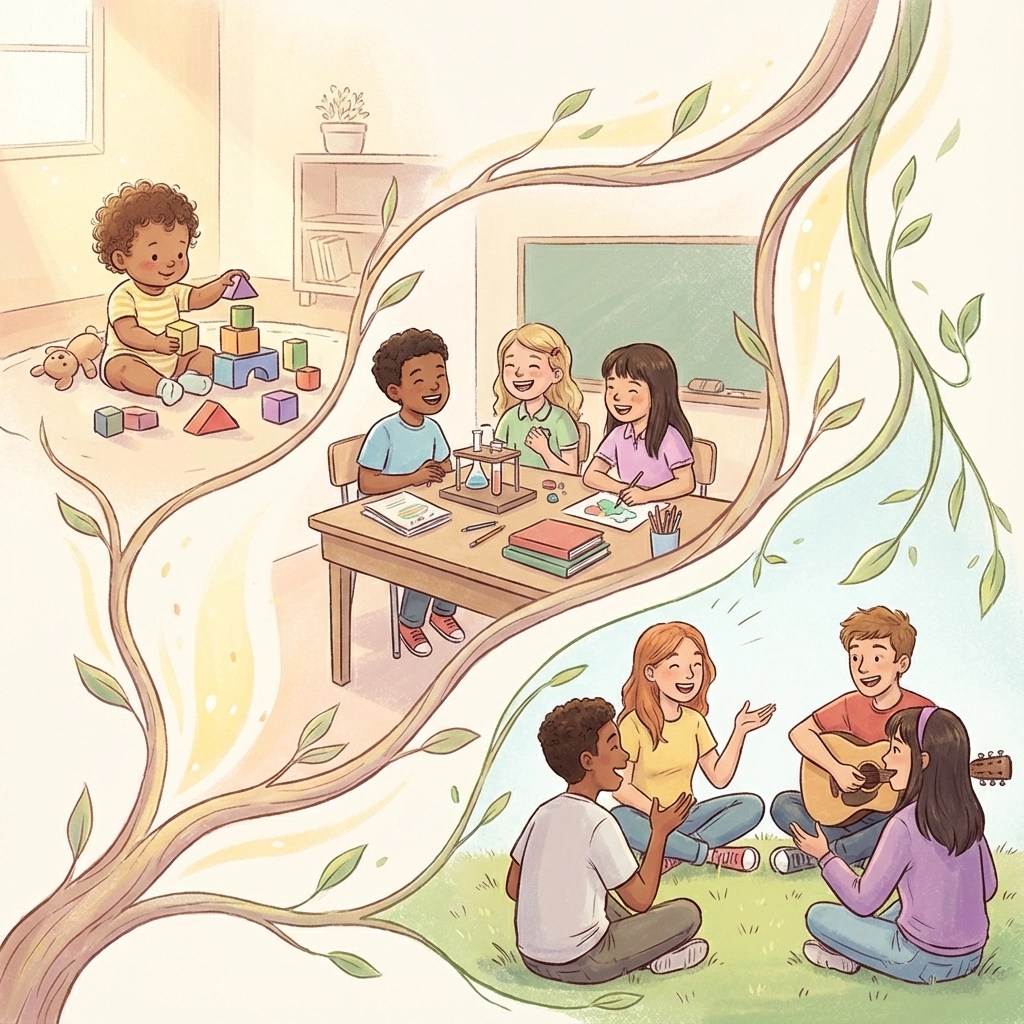
Recognizing Healthy Adjustment vs. Concerning Patterns
Understanding the difference between normal adjustment and signs that warrant additional support is crucial for every parent. Here's how to think about what you're observing:
Signs of Healthy Adjustment
Your child is likely adjusting well if they're showing:
- Gradual improvement in comfort levels over several months
- Curiosity and engagement with new activities or environments
- Ability to self-soothe when facing challenges
- Maintaining relationships with family and friends
- Age-appropriate independence in daily activities
- Expressing emotions in ways that feel manageable
When to Consider Additional Support
While every child's timeline is different, you might want to explore professional support if you notice:
- Persistent anxiety or sadness that hasn't improved over 3-4 months
- Significant academic struggles that continue despite being back in school
- Social withdrawal that prevents meaningful connections with peers
- Sleep or eating pattern changes that affect daily functioning
- Behavioral challenges that interfere with family life or friendships
- Regression in previously mastered skills or behaviors
The Power of Protective Factors

Research has identified several factors that helped children thrive during and after the pandemic. These same strategies continue to support healthy development:
Family Stability and Routines
Consistent daily schedules, family meals, and bedtime routines provide the predictability children need to feel secure. Even small rituals like morning check-ins or evening gratitude sharing can make a significant difference.
Open Communication
Children who can express their feelings and ask questions about their experiences show better adjustment. Create safe spaces for your child to share concerns without judgment or immediate problem-solving.
Flexible Patience
Families that approached challenges with curiosity rather than frustration found more success. When your child struggles, asking "What do you need right now?" often works better than "Why are you acting this way?"
Gradual Exposure
Slowly reintroducing social activities and new experiences allows children to build confidence at their own pace. There's no need to rush back to pre-pandemic activity levels immediately.

Practical Strategies for Supporting Your Child
For Emotional Regulation
- Validate their experience: "It makes sense that big groups feel overwhelming after being home so much."
- Teach coping strategies: Deep breathing, counting exercises, or having a comfort item can help in challenging moments.
- Model emotional awareness: Share your own feelings and coping strategies age-appropriately.
For Academic Challenges
- Communicate with teachers about your child's specific needs and circumstances
- Focus on effort over achievement to rebuild confidence in learning
- Create supportive homework environments that reduce pressure and increase success
For Social Reconnection
- Start small with one-on-one playdates before larger group activities
- Practice social scenarios at home through role-playing or discussion
- Celebrate social successes, no matter how small they might seem
Building Resilience Together
Remember that resilience isn't about bouncing back to exactly where your child was before: it's about growing stronger through challenges. Your child may emerge from this experience with new strengths, deeper empathy, or enhanced creativity.
The journey forward isn't about returning to "normal" but about creating a new version of thriving that incorporates everything your family has learned. Some children will need more time, others different strategies, and many will surprise you with their adaptability.

When Professional Support Makes Sense
If you're noticing persistent challenges that concern you, reaching out for professional guidance can provide valuable perspective and strategies. Child psychologists and mental health professionals understand the unique impacts of pandemic experiences and can offer tailored approaches for your child's specific needs.
Professional support isn't about fixing problems: it's about building on your child's existing strengths and providing additional tools for success. Many families find that even brief consultations help clarify next steps and provide peace of mind.
Moving Forward with Confidence
Your child's post-pandemic behavioral changes are part of a larger story of adaptation and growth. By staying attuned to their needs, maintaining supportive routines, and trusting your parental instincts about when to seek additional support, you're providing exactly what your child needs to thrive.
The pandemic changed all of us, and children are showing remarkable resilience as they navigate this new world. Your patience, understanding, and support are the most powerful tools in helping your child not just adjust, but flourish.
If you're feeling uncertain about your child's adjustment or would like professional guidance tailored to your family's unique situation, we're here to help. At Milestones Child Psychology, we understand the complexities of post-pandemic childhood development and work collaboratively with families to support each child's individual journey.
Ready to explore how we can support your child's continued growth? Contact us today to schedule a consultation and take the next step in your family's journey forward.
0 comments