

If you're watching your child scroll through TikTok for the third hour today while their homework sits untouched, you might be wondering: is social media making their ADHD symptoms worse? You're not alone in this concern, and the answer is more nuanced than you might expect.
Here's the thing – social media doesn't cause ADHD, but it can absolutely amplify existing symptoms in children who already have the condition. Think of it like adding fuel to a fire that's already burning. Understanding this relationship can help you make informed decisions about your family's digital habits.
How Social Media Affects the ADHD Brain
Children with ADHD are naturally drawn to social media because it provides the constant stimulation their brains crave. Every notification, every new video, every like delivers a small hit of dopamine – the same neurotransmitter that's often in short supply for kids with ADHD.
The problem? This constant stream of rapid-fire content conditions their brains to expect immediate gratification and high levels of stimulation. When they transition away from their devices to do homework, chores, or simply have a conversation, their brains struggle to adjust to the slower pace of real-world activities.
The 5 Warning Signs to Watch For
As a parent, you're perfectly positioned to notice when social media use might be worsening your child's ADHD symptoms. Here are the key signs to keep on your radar:
1. Meltdowns When Screen Time Ends
Does your child become irritable, angry, or have emotional outbursts when it's time to put the phone down? This isn't just typical kid resistance – it's their brain struggling to transition from high stimulation to lower stimulation activities.
2. Increased Difficulty with Focus
You might notice your child having an even harder time concentrating on schoolwork, conversations, or activities that don't provide instant feedback. Teachers might report more attention issues in class, especially after lunch breaks or weekends heavy with screen time.
3. Restlessness and Boredom
If your child frequently complains that everything is "boring" unless it involves a screen, this could indicate their brain has become accustomed to the rapid dopamine hits from social media. Real-world activities may feel underwhelming by comparison.
4. Sleep Disruption
Social media use, especially in the evening, can worsen sleep problems that many children with ADHD already experience. Poor sleep then compounds daytime ADHD symptoms, creating a challenging cycle.
5. More Impulsive Online Behavior
Keep an eye out for increasingly impulsive posting, commenting, or sharing content without thinking through consequences. This might include arguing online, sharing personal information, or posting inappropriate content.
What You Can Do Starting Today
The good news? You have more control over this situation than you might think. Small changes can make a big difference in supporting your child's success.
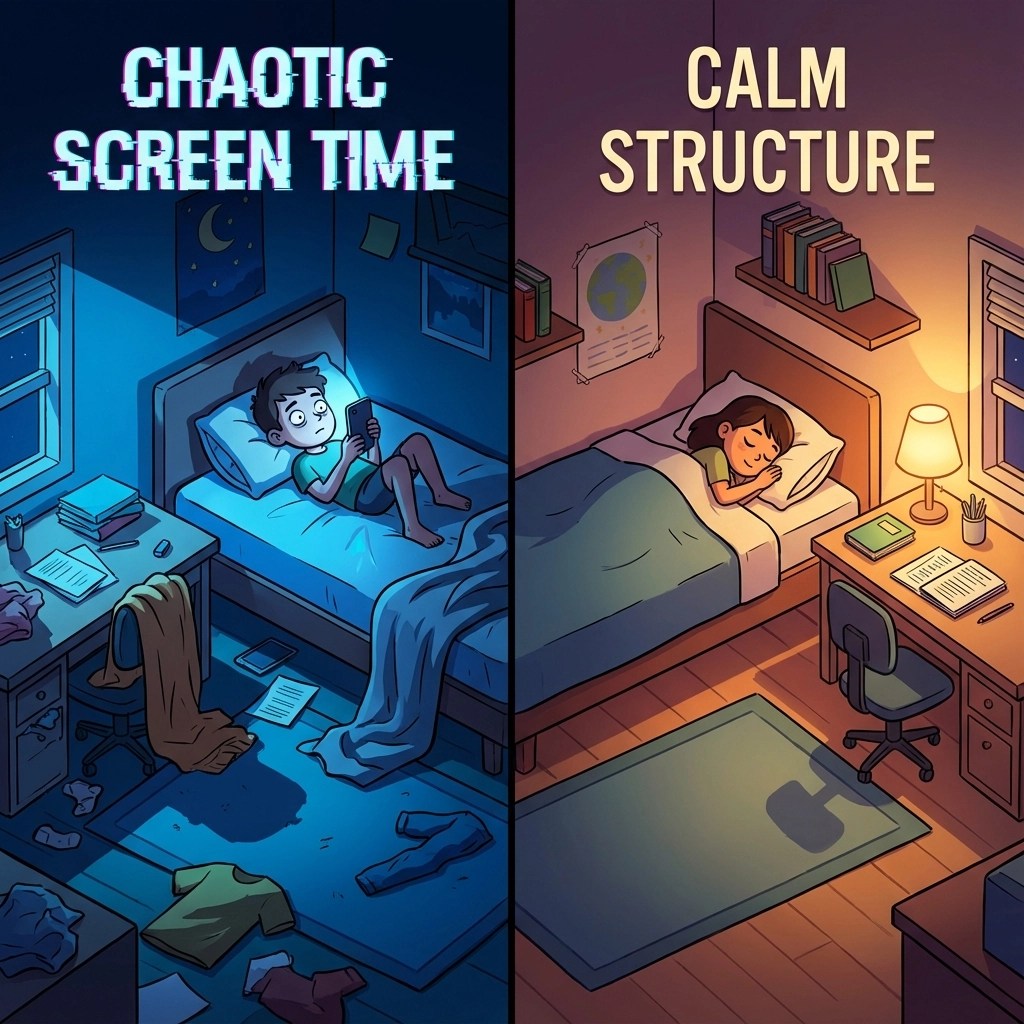
Create Screen-Free Transition Times: Build in 15-20 minutes of calm, non-digital activity between screen time and other tasks. This helps their brain adjust to different stimulation levels.
Establish Media-Free Zones: Consider keeping bedrooms and meal areas screen-free to protect sleep and family connection time.
Model Healthy Digital Habits: Children learn more from what we do than what we say. When you put your phone down during conversations, they notice.
Replace, Don't Just Remove: Instead of simply taking away screen time, offer engaging alternatives like art projects, outdoor time, or hands-on activities that naturally provide stimulation.
Working Together for Success
Remember, you're not trying to eliminate technology from your child's life – that's neither realistic nor necessary. The goal is finding a balance that supports their unique needs while still allowing them to connect with friends and enjoy age-appropriate digital content.
Every child with ADHD is different, and what works for one family might need adjustment for another. Trust your instincts as a parent, and don't hesitate to reach out for professional guidance when you need additional support.
If you're noticing these signs and feeling overwhelmed about next steps, you don't have to figure it out alone. Our team at Milestones Child Psychology understands the unique challenges families face when navigating ADHD and technology use.
Ready to create a plan that works for your family? Reach out to us today – we're here to help you and your child thrive in our digital world.
0 comments