

You've received your child's evaluation results, and now you're staring at pages filled with terms like "inattention," "restlessness," and "emotional regulation challenges." Maybe the report mentions ADHD. Maybe anxiety. Maybe both. And you're wondering: What does this actually mean for my child?
Here's the thing: understanding these results isn't about putting your child in a box. It's about gaining clarity so you can support them in the ways that truly help. Let's break down what you're seeing and why these distinctions matter.
The Context Question: When Do Symptoms Show Up?
The most important clue in any evaluation is when and where your child's symptoms appear. This context tells you volumes about what's really going on.
If your child loses focus mainly during stressful situations: before a test, during social conflicts, or when facing something unfamiliar: you're likely looking at anxiety. The worry comes first, and the difficulty concentrating follows. Their mind is preoccupied with "what if" scenarios, leaving little room for anything else.
With ADHD, the pattern looks different. Your child struggles to maintain attention across the board: even during activities they genuinely enjoy. They might start building their favorite LEGO set with enthusiasm, only to abandon it halfway through because their brain has already moved on to the next interesting thing. This isn't about worry; it's about how their brain is wired to seek novelty and stimulation.
Why These Conditions Look So Similar
Both ADHD and anxiety can produce restlessness, trouble sleeping, irritability, and difficulty completing tasks. No wonder parents: and even some professionals: sometimes have trouble telling them apart.
The key is understanding what's driving these behaviors. A child with ADHD fidgets because of an internal need for movement and stimulation. A child with anxiety fidgets because of nervous energy and tension about what might happen next. Same behavior, completely different origin.
Think of it this way: ADHD is a neurodevelopmental difference present from early childhood, affecting how the brain processes information and regulates attention. Anxiety is a response to stress: whether real or perceived: that creates physical and emotional symptoms as your child's nervous system stays on high alert.
When Both Show Up Together
Here's where evaluation results can get complex: many children with ADHD also develop anxiety over time. In fact, research shows they're significantly more likely to experience anxiety than children without ADHD.

This makes sense when you consider what life feels like for a child with untreated ADHD. They face repeated struggles with schoolwork, social interactions, and meeting expectations. They hear "focus" and "try harder" constantly, despite genuinely doing their best. Over time, this creates a feedback loop of stress, self-doubt, and worry about making mistakes or falling behind.
The good news? When ADHD is effectively supported: whether through accommodations, behavioral strategies, or other interventions: the anxiety that stems from it often improves naturally. Your child feels more capable, experiences more success, and has less to worry about.
Making Sense of Your Child's Specific Results
As you review the evaluation, look for patterns that answer these questions:
Are symptoms pervasive or situational? If your child shows inattention, impulsivity, or restlessness across multiple settings (home, school, playtime, structured activities), ADHD is more likely. If symptoms spike during specific stressors and ease when things feel safe, anxiety may be the primary concern.
What physical symptoms are present? Stomachaches, headaches, and muscle tension before stressful events point toward anxiety. Constant motion, excessive talking, and difficulty staying seated across contexts suggest ADHD.
How does your child describe their experience? Children with anxiety often express specific worries. Children with ADHD might say things feel "boring" or they "just can't stop" their body or thoughts, without identifying particular fears.
What This Means for Moving Forward
Understanding your child's evaluation results empowers you to ask the right questions and advocate effectively. You're not looking for a label: you're looking for a roadmap to support.
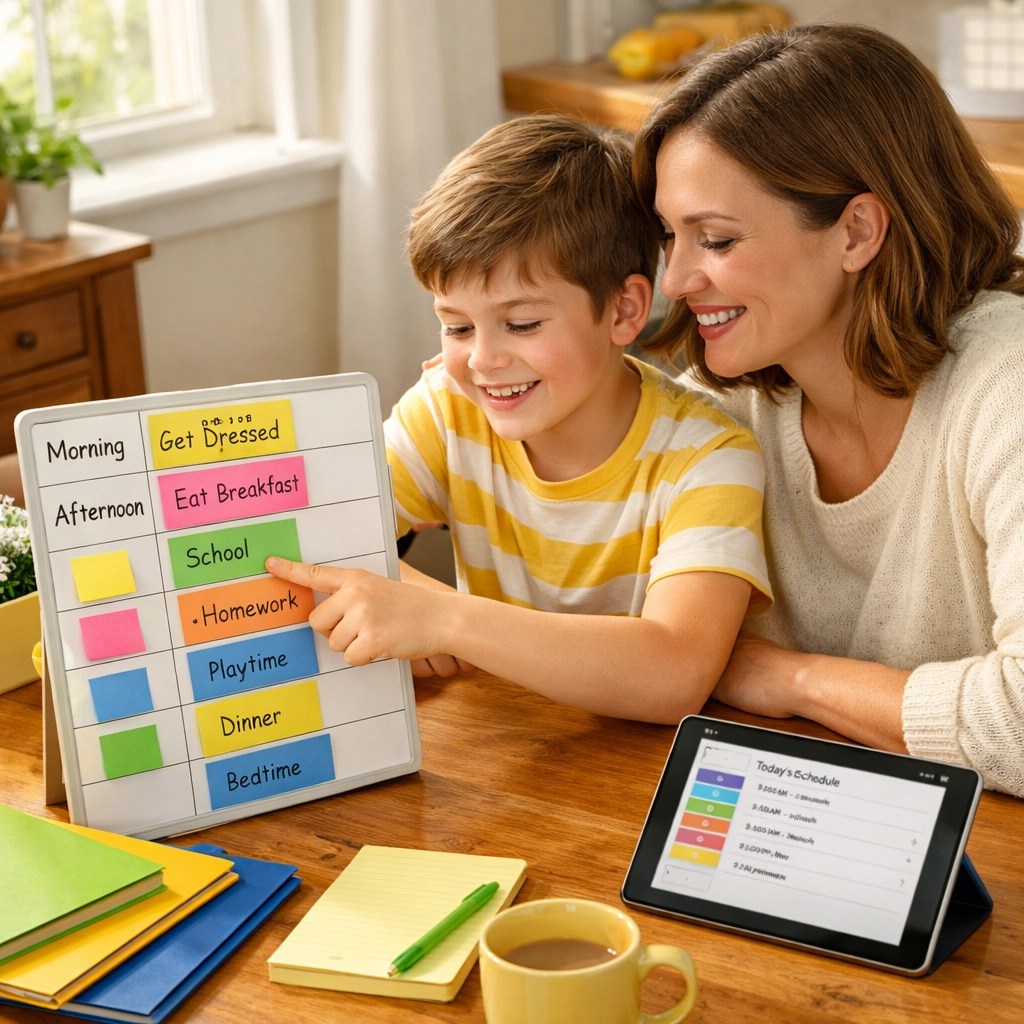
If the evaluation points to ADHD, you'll want to focus on strategies that work with your child's brain, not against it. This might include environmental modifications, organizational support, and teaching self-advocacy skills.
If anxiety is the primary concern, addressing the underlying worries and building coping strategies becomes central. This often involves helping your child feel safe, developing emotional regulation skills, and sometimes working with a therapist.
If both conditions are present, the most effective approach addresses each appropriately while recognizing how they interact. Sometimes supporting one condition naturally eases symptoms of the other.
You Don't Have to Figure This Out Alone
Evaluation results are just the beginning of the conversation, not the end. They're meant to open doors to understanding and support, not create more confusion or worry.
At Milestones Child Psychology, we specialize in helping families make sense of complex evaluation results and translate them into actionable next steps. Whether you need help understanding a diagnosis, developing a support plan, or advocating for appropriate services, we're here to walk alongside you.
Your child's challenges don't define them: they're simply part of their unique story. And with the right understanding and support, every child can thrive.
Ready to discuss your child's evaluation results and explore what comes next? Reach out to our team and let's create a plan that works for your whole family.
0 comments